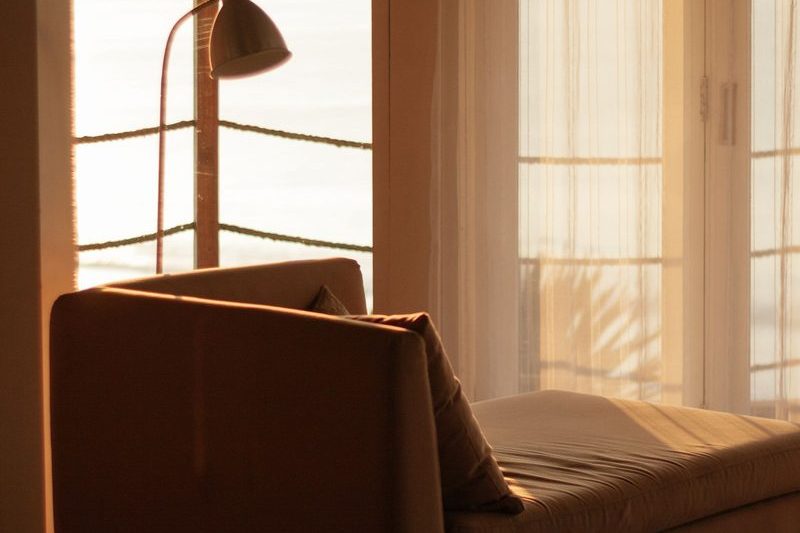
Austria · since 2017
Only the furniture you rest on
32 pieces, four materials, one workshop, and a rule that the measurements and the drawbacks go on the page before the photographs do.
32 pieces, four materials, one workshop, and a rule that the measurements and the drawbacks go on the page before the photographs do.
Furniture is photographed standing up straight in an empty white room, and then lived in slumped, in a small flat, at the end of a day. Siesta Haus began in 2017 with two people who had bought a sofa that looked right in the photograph and turned out to be eleven centimetres too wide for the stairwell and too firm to fall asleep on.
So we make the pieces for the second kind of room, and we describe them for it. Every page carries the width, depth, height and seat height, the narrowest dimension for the door, and a list headed before you buy that says what the material is going to do: linen creases, oak darkens, feather needs plumping, a low seat is hard to get out of. We would rather lose the order than have the piece come back.
The range is short on purpose. There is nothing for dining, nothing for working and nothing for storage; only sofas, chairs, a daybed, footstools, the small tables that go beside them, cushions for the floor and lamps to read by.
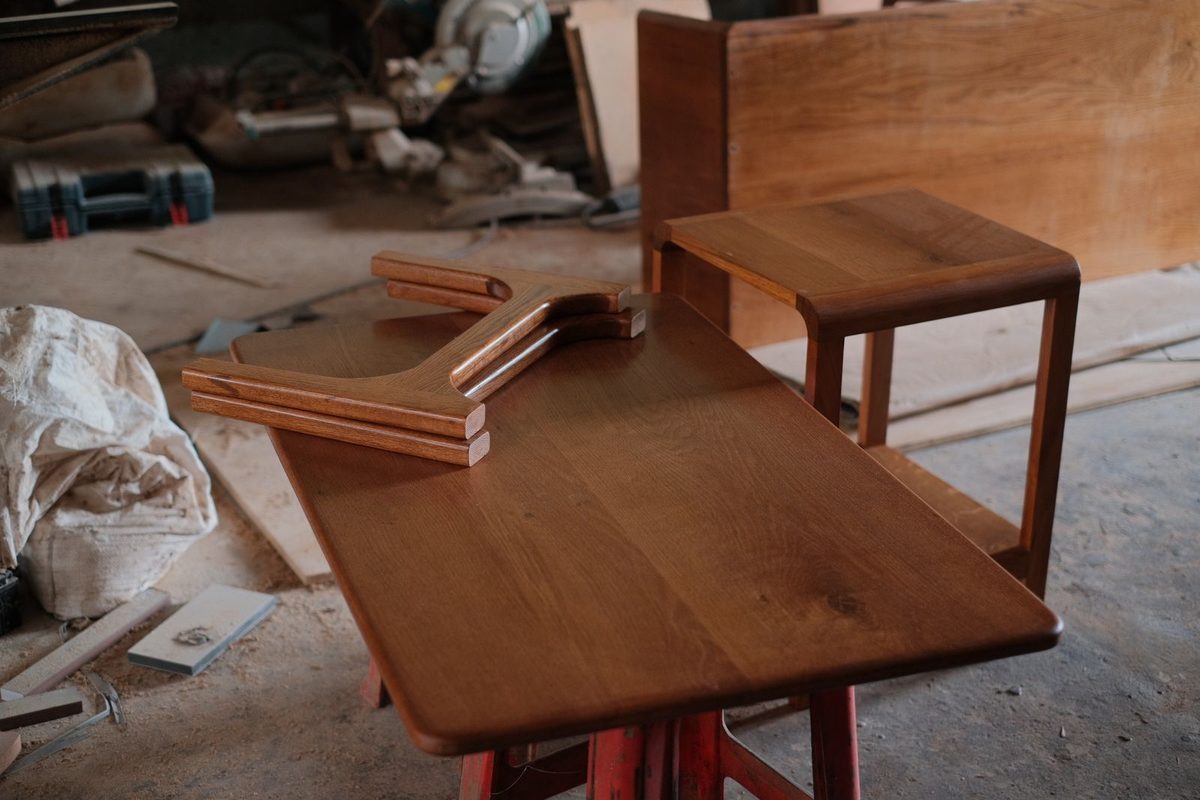
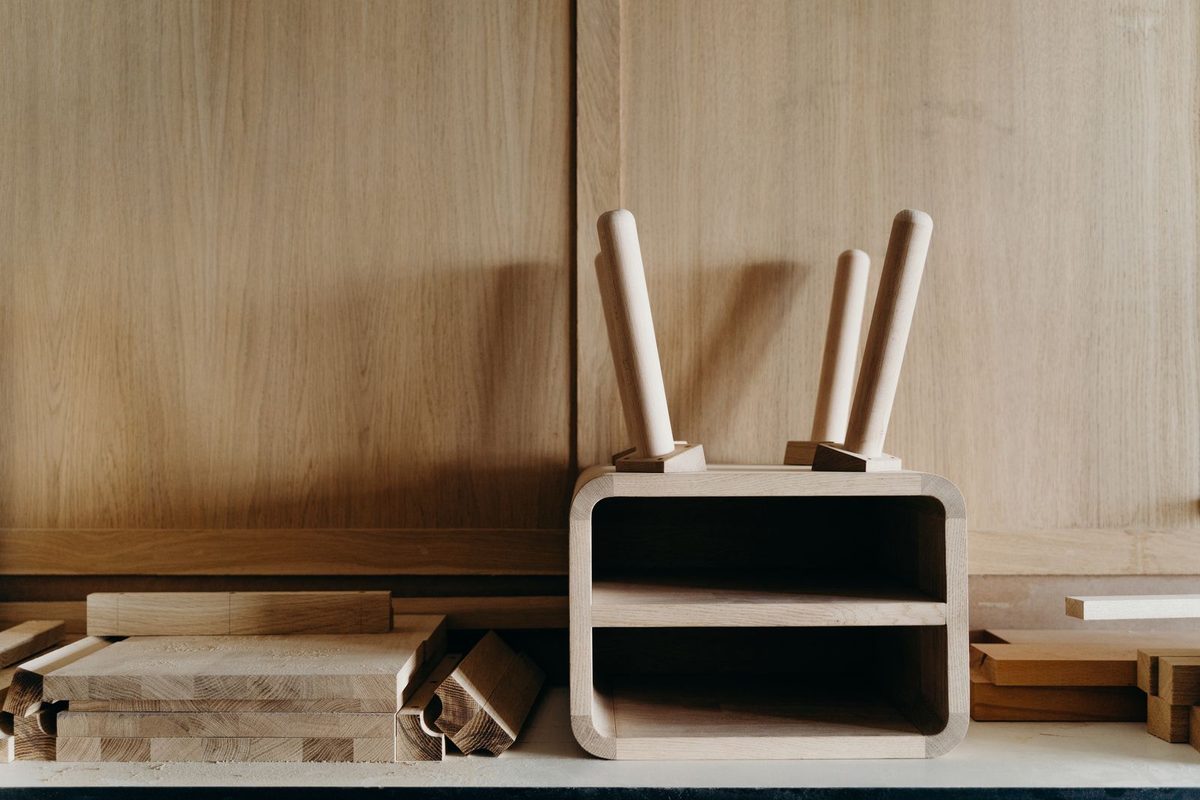 Oak, ash, linen, wool
European oak for sofa and chair frames, table tops and legs. Heavy, hard, and a shade or two darker after a year in daylight. We oil it rather than lacquer it, so a ring from a wet glass can be sanded out at home and the surface can be renewed for as long as the piece exists.
Paler than oak, a little lighter, a little springier, which is why the low sofa stands on it and the leaning lamp is turned from it. It goes from cream to honey over its first year and takes an oiled finish the same way.
Belgian flax, woven and washed before it is cut. Cool in summer, creased from the first afternoon, slightly pilled in the first months until the loose fibres are gone. It is the right cover for a sofa that is lived on and the wrong one for a room that has to look pressed.
Felted and bouclé wools for the pieces that want to be warm. Felted wool hides marks and resists spills; bouclé snags on claws and buckles and we say so wherever it appears. Both attract moths if they are never vacuumed.
Everything that holds weight is solid wood or steel springs. There is no chipboard, no plywood in any frame, and no metal leg. The fillings are feather and down, high-resilience foam and wool batting, and each product page says which.
A short range is defined by what it leaves out.
No piece here is a copy of, a tribute to, or “inspired by” another designer's chair, sofa or lamp. Every frame is drawn in the workshop, and the terms say so.
If a thing is to be slept on it gets a real mattress. The daybed has a pocket-sprung one; there is no fold-out mechanism in the range.
Both are fine materials and neither is ours for a cover. Linen and wool, cleaned at home where the cover comes off, dry-cleaned where it does not. The only leather in the range is the strap that carries the arm cushion on the low armchair.
Legs unscrew, covers unzip where they can, cord seats re-weave, oiled wood re-oils. A piece that has to be thrown away when one part fails is not in the range.
A new piece spends a winter in one of our own houses before it goes on the site. Two prototypes a year do not survive that.
Send us the room, the door and the stairwell. We will say which pieces go in and, if none of them do, we will say that too.
Write to us